Top 10 Largest Countries in the World by Area
Top 10 Largest Countries in the world: collectively account for nearly half of the Earth’s total land area. These nations, spanning multiple continents, encompass diverse landscapes, climates, and natural resources, playing a crucial role in global geopolitics, trade, and environmental sustainability.
The total land area of the largest countries in the world remains relatively stable; however, factors such as territorial disputes, land reclamation, and administrative changes can lead to minor adjustments over time. Despite these variations, the top 10 largest countries by area continue to dominate the global landscape, with Russia alone covering over 11% of the world’s landmass.
Read on to get a comprehensive overview of the Top 10 Largest Countries by Area, including their historical significance, land area, and geographical features. Additionally, examine their demographic and economic standing, highlighting the top 10 largest countries by population and the top 10 largest countries by GDP to understand their global impact.
Table of Contents
A Look at the Largest Countries in the World
The size of the largest countries in the world has an important effect. Large countries often have a lot of biodiversity, natural resources, and different climates and geography. This information is important for anyone preparing for the UPSC geography GK and APSC static GK. Knowing the list of the world’s largest countries helps understand global patterns, trade routes, alliances, and environmental issues.
Top 10 Largest Countries in the World by Area
The largest countries by land area cover enormous parts of the world, which shape international politics, economy, and environment. The largest countries in the world by total land area contain extensive forests, deserts, and mountains. Below is the list of the world’s largest countries by area:
| Top 10 Largest Countries by Area 2026 | ||||
| Rank | Country | Total Area (km²) | Land Area (km²) | World Share (%) |
| 1 | Russia | 17,098,242 | 16,376,870 | 11.00% |
| 2 | Canada | 9,984,670 | 9,093,510 | 6.11% |
| 3 | China | 9,706,961 | 9,388,211 | 6.30% |
| 4 | USA | 9,372,610 | 9,147,420 | 6.14% |
| 5 | Brazil | 8,515,767 | 8,358,140 | 5.61% |
| 6 | Australia | 7,692,024 | 7,682,300 | 5.16% |
| 7 | India | 3,287,590 | 2,973,190 | 2.00% |
| 8 | Argentina | 2,780,400 | 2,736,690 | 1.84% |
| 9 | Kazakhstan | 2,724,900 | 2,699,700 | 1.81% |
| 10 | Algeria | 2,381,741 | 2,381,740 | 1.60% |
Source: worldometers
1. Russia: 17,098,242 km²
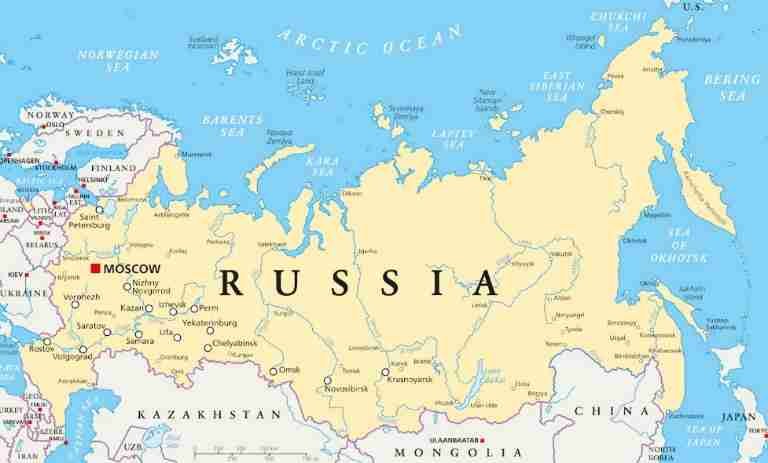
Russia is the largest country in the world by a wide margin, spanning across eleven time zones. Its massive landmass includes tundra, taiga, mountains, plains, and semi-desert.
Much of Siberia is remote and frozen for much of the year, with permafrost and sparse settlement. Yet the country’s size grants it immense natural resources: oil, gas, timber, and minerals. Large portions remain underdeveloped due to harsh climate and limited infrastructure.
Russia’s size presents logistical challenges for transportation, communication, and defense. Its area includes parts of both Europe and Asia, giving it a unique transcontinental identity. From the Arctic Ocean to the Black Sea, Russia’s geography plays a central role in global geopolitics.
2. Canada: 9,984,670 km²
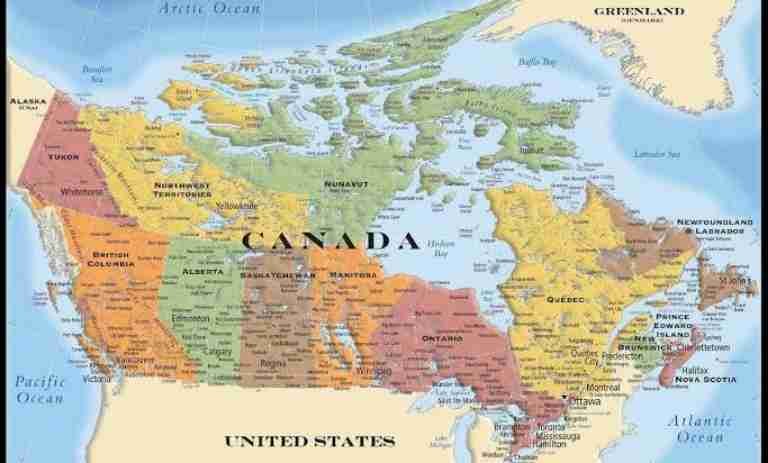
Canada is the second-largest country on Earth, but most of its population hugs the U.S. border. Vast stretches of wilderness dominate the north including dense forests, glacial lakes, and tundra. The country contains more lakes than any other nation, including some of the largest. Arctic territory makes up a major portion of its land, including thousands of uninhabited islands.
Canada’s landmass supports mining, forestry, and hydroelectric power. The large area also brings extreme climate variation, from temperate rainforests in British Columbia to icy plateaus in Nunavut. Most of the country remains sparsely populated, with some regions accessible only by air. Its sheer size is a key part of its national identity and economic power.
3. China: 9,706,961 km²
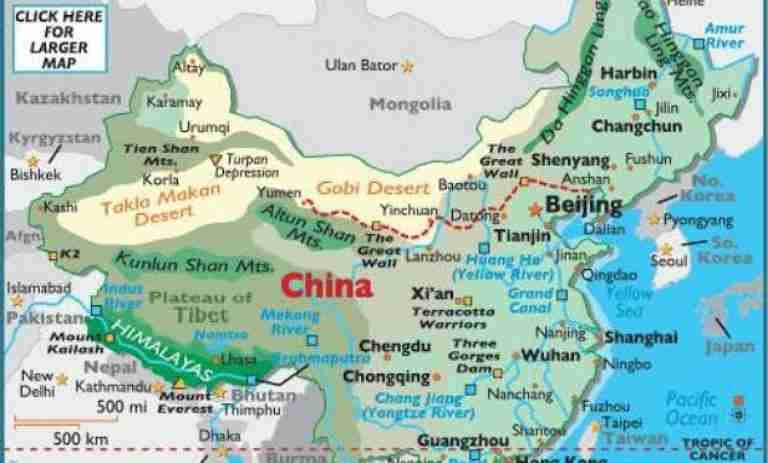
China is vast and diverse, covering deserts, grasslands, mountains, and tropical zones. The western half is dominated by high-altitude terrain like the Tibetan Plateau and Taklamakan Desert. In contrast, the east is home to fertile river basins and megacities.
Despite its massive population, much of China’s area is lightly populated due to geography. Its size supports a range of climates, from subarctic in the north to humid subtropical in the south. The country borders 14 nations, more than any other country, which adds to its geopolitical complexity.
China’s landmass underpins its agricultural base, mineral wealth, and military positioning. Its area is central to its role as a global superpower.
4. United States: 9,372,610 km²
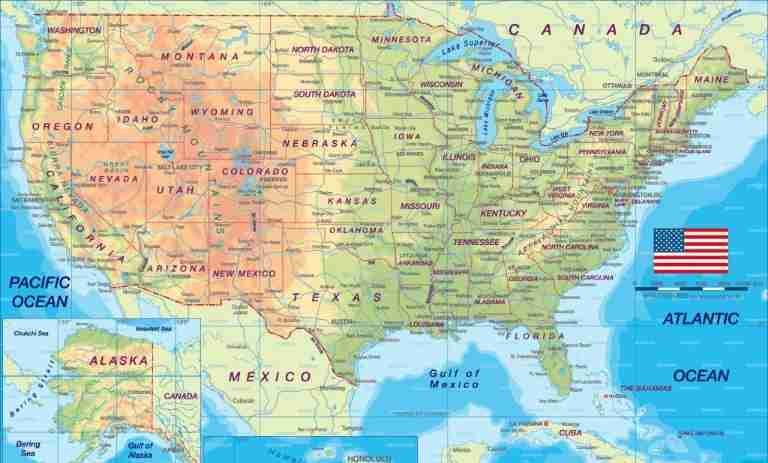
The United States ranks fourth in size, with geographic variety that spans nearly every major biome. The contiguous U.S. includes everything from deserts and plains to forests and mountain ranges. Alaska alone accounts for over 17% of the country’s area and holds massive reserves of oil and wilderness. Hawaii adds tropical ecosystems and volcanic islands to the national profile.
The country’s vast land area supports rich natural resources, industrial development, and a strong agricultural sector. Climate zones range from arctic to subtropical. With wide open spaces and developed infrastructure, land use varies sharply between dense urban centers and expansive rural areas. Its size has shaped its history, economy, and cultural regionalism.
5. Brazil: 8,515,767 km²
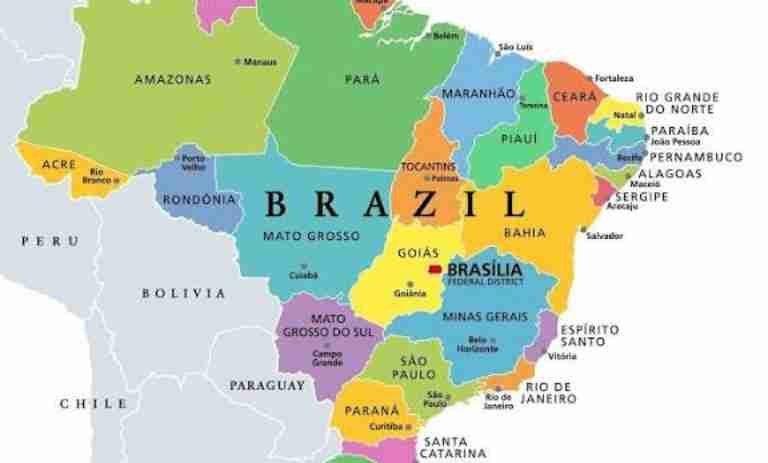
Brazil is the largest country in South America and contains most of the Amazon rainforest. Nearly 60% of the Amazon basin lies within its borders. The country’s interior is a mix of dense forest, savannah, and wetlands.
Brazil’s size makes it one of the most biodiverse nations in the world. However, vast portions remain undeveloped or sparsely inhabited, especially in the north. The southeast holds the majority of the population and economic activity.
Brazil’s landmass supports major agricultural exports like soybeans, beef, and sugar. Its geography poses challenges for conservation, infrastructure, and regional equality.
6. Australia: 7,692,024 km²
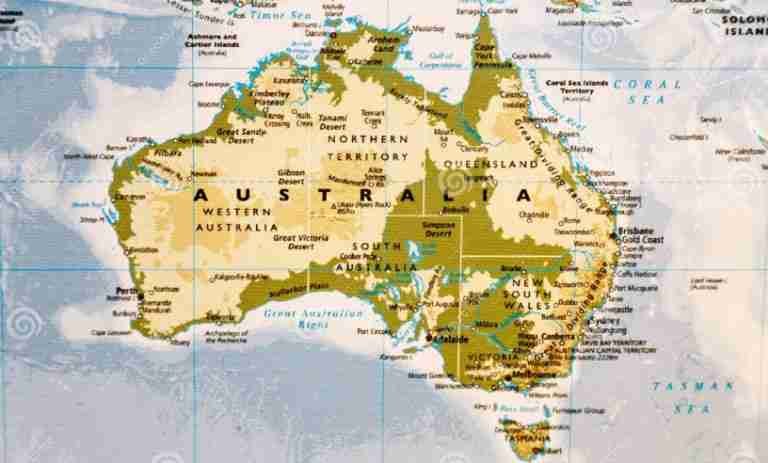
Australia is both a country and a continent, with most of its population concentrated along the coasts. The interior—called the Outback—is arid, flat, and sparsely populated. This vast desert and semi-desert region defines much of Australia’s land area. Coastal regions are more fertile and temperate, supporting agriculture and urban development.
Australia’s isolation has led to unique flora and fauna, many found nowhere else. Its large area contributes to a wide range of climates, from tropical in the north to temperate in the south. Despite its size, much of the land is uninhabitable or used for cattle grazing and mining. Australia’s geography plays a major role in its identity, economy, and environmental concerns.
7. India: 3,287,590 km²
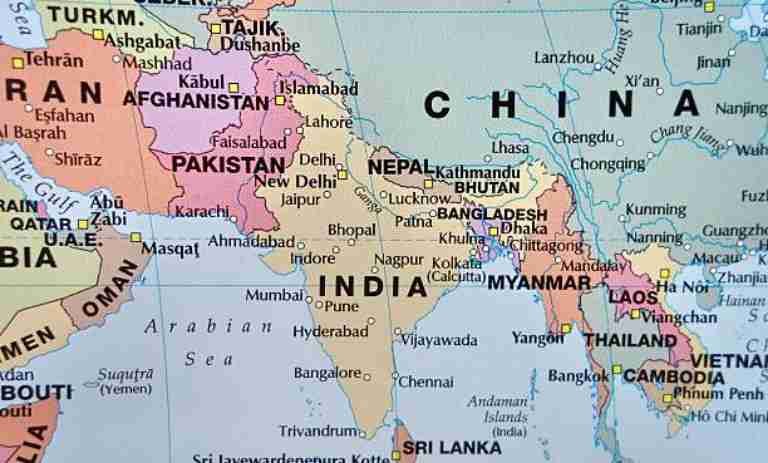
India is the seventh-largest country, but unlike others on this list, it has a dense population throughout most of its territory. Its land area stretches from the Himalayan mountains in the north to coastal plains and tropical forests in the south. This geographic diversity supports varied agriculture and regional cultures.
India’s rivers, especially the Ganges and Brahmaputra, are crucial for farming and religion. The Thar Desert occupies the northwest, while the northeast is mountainous and heavily forested.
Despite its size, India has little unoccupied land, making resource management and urban planning critical. The country’s area supports one of the most complex and layered societies on the planet. Its geography plays a foundational role in its agricultural base, population dynamics, and regional diversity.
8. Argentina: 2,780,400 km²
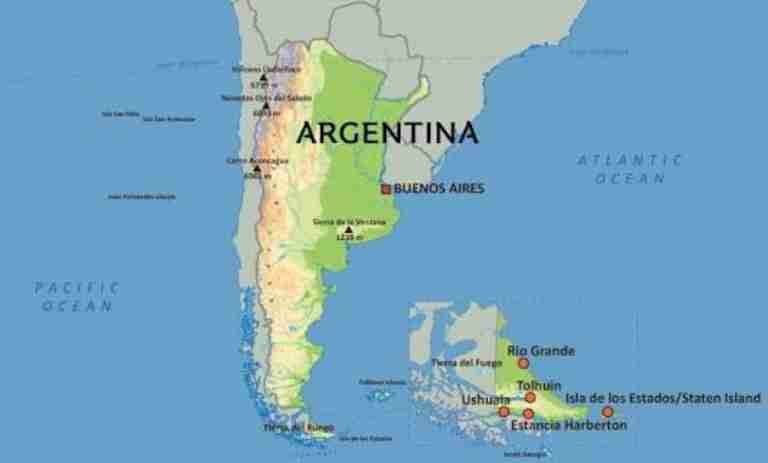
Argentina stretches from subtropical wetlands in the north to subpolar tundra in the south. The Andes form a towering western border, while the Pampas grasslands dominate the central region. These fertile plains support cattle and grain production, which are key exports. Patagonia, in the south, is rugged, sparsely populated, and rich in natural beauty.
Argentina’s long north-south span results in diverse climates and landscapes. Much of the country’s land remains lightly inhabited, with large rural stretches. Its size allows for both industrial agriculture and protected wilderness. Argentina’s geography is vital to its economy, tourism, and natural heritage.
9. Kazakhstan: 2,724,900 km²
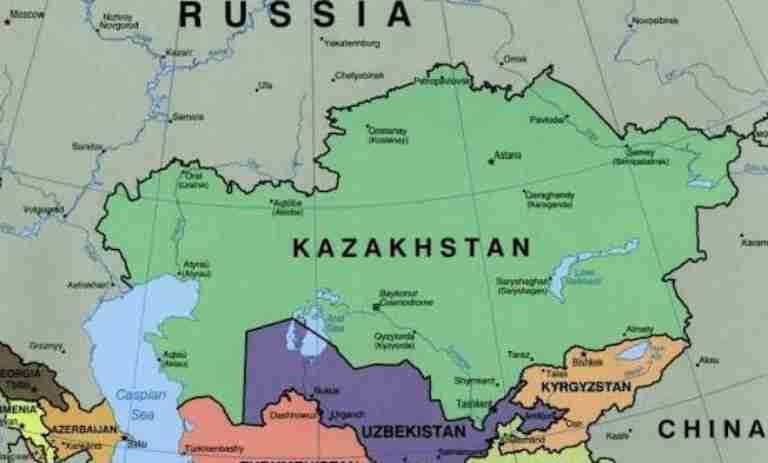
Kazakhstan is the largest landlocked country in the world. It consists mostly of steppe, desert, and semi-desert. The land is flat and dry, with little forest cover. The country holds significant mineral and oil reserves, especially in the western region. Its sparse population is spread across vast distances, with few large cities.
Kazakhstan’s size and location give it strategic importance in Central Asia. The Aral Sea, once one of the world’s largest lakes, lies within its borders but has mostly dried up. The country’s landmass makes infrastructure, development, and regional connectivity difficult but strategically important.
10. Algeria: 2,381,741 km²
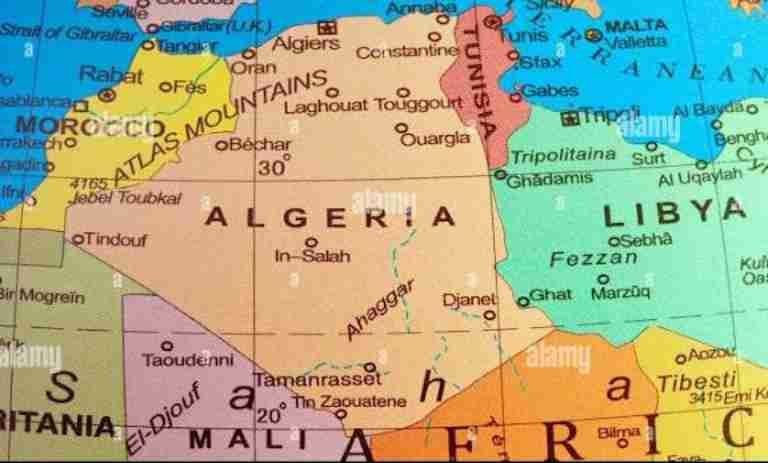
Algeria is Africa’s largest country, with over 80% of its land covered by the Sahara Desert. The population is heavily concentrated along the Mediterranean coast, where the climate is milder. The interior is arid and mostly uninhabited, dominated by sand dunes, rocky plateaus, and dry mountains. Despite this, Algeria holds large reserves of oil and natural gas beneath its desert floor.
The country’s size gives it geopolitical importance in North Africa and the Sahel. Managing resources across such vast and harsh terrain presents logistical challenges. Its land area includes both African and Mediterranean influences, giving it a unique cultural and ecological profile.
Also Read: Top 10 Richest Person in the World 2026
Top 10 Largest Countries in Asia by Area
Asia has many large countries by land size. Some of the biggest are Russia, China, India, Kazakhstan, Saudi Arabia, and others. These countries cover millions of square kilometers and have diverse cultures, climates, and populations. Below is a table showing the top 10 largest countries in Asia by their area.
| Top 10 Largest Countries in Asia by Area | ||
|---|---|---|
| Rank | Country | Area (sq. km) |
| 1 | Russia | 17,098,242 |
| 2 | China | 9,596,961 |
| 3 | India | 3,287,263 |
| 4 | Kazakhstan | 2,724,900 |
| 5 | Saudi Arabia | 2,149,690 |
| 6 | Indonesia | 1,904,569 |
| 7 | Iran | 1,648,195 |
| 8 | Mongolia | 1,564,116 |
| 9 | Pakistan | 881,913 |
| 10 | Turkey | 783,356 |
Top 10 Largest Countries by Population
While the largest countries by area cover vast land masses, the most populous countries influence global economics and politics. Here is a list of the top 10 largest countries by population in 2026:
| Top 10 Largest Countries by Population | ||
| Rank | Country | Population (2026) |
| 1 | India | 1.46 billion |
| 2 | China | 1.41 billion |
| 3 | USA | 347 million |
| 4 | Indonesia | 286 million |
| 5 | Pakistan | 255 million |
| 6 | Nigeria | 238 million |
| 7 | Brazil | 213 million |
| 8 | Bangladesh | 176 million |
| 9 | Russia | 144 million |
| 10 | Ethiopia | 135 million |
- India has surpassed China as the most populous country, with over 1.46 billion people.
- China still has a massive population but is seeing a decline due to low birth rates.
- Nigeria and Ethiopia are among the fastest-growing nations, driven by high birth rates.
Top 10 Largest Countries by GDP 2026
The economic strength of a country is measured by its Gross Domestic Product (GDP). In 2026, the global economic landscape continues to be dominated by developed and rapidly growing economies. The USA maintains its position as the world’s largest economy, followed closely by China. Notably, India has emerged as a major player with a robust growth trajectory driven by technology and services.
Below is the updated list of the Top 10 Largest Countries by GDP in 2026, based on IMF Projections:
| Top 10 Largest Countries by GDP | |||
|---|---|---|---|
| Rank | Country | GDP (USD Trillions) | GDP Per Capita (USD) |
| 1 | United States | $30.51 trillion | $89,110 |
| 2 | China | $19.23 trillion | $13,690 |
| 3 | Germany | $4.74 trillion | $55,910 |
| 4 | India | $4.19 trillion | $2,880 |
| 5 | Japan | $4.19 trillion | $33,960 |
| 6 | United Kingdom (U.K.) | $3.84 trillion | $54,950 |
| 7 | France | $3.21 trillion | $46,390 |
| 8 | Italy | $2.42 trillion | $41,090 |
| 9 | Canada | $2.23 trillion | $53,560 |
| 10 | Brazil | $2.13 trillion | $9,960 |
The United States continues to lead with a GDP exceeding $30 trillion and a high per capita income. China remains in second place, driven by rapid industrial growth and global trade. India and Japan are now tied in terms of total GDP, with India showing impressive growth in the tech and services sector. European countries like Germany, UK, France, and Italy also retain strong positions due to stable economic policies and advanced industrial sectors.
India GDP 2026 Rank
As per the latest IMF Projections, India ranks as the fourth-largest economy in the world in 2026, on par with Japan. Driven by strong growth in technology services, agriculture, handicrafts, and business outsourcing, India continues its upward economic trajectory.
With an estimated real GDP of ₹187.95 lakh crore in 2024–25 (compared to ₹176.51 lakh crore in 2023–24), India stands as one of the most populous and production-intensive economies globally. Moreover, India’s projected GDP growth rate of 6.2% for 2024–25 and 2025–26 is the fastest among major economies, highlighting its resilience and potential.
Rising domestic consumption, increasing foreign investments, and policy reforms are expected to propel India even higher in the global GDP rankings in the coming years.
Frequently Asked Questions
1. Which is the largest country in the world by area?
A: Russia is the largest country in the world by area, covering 17,098,242 km², making up 11% of the world’s landmass.
2. Which is the largest country in the world by population in 2026?
A: The largest country in the world by population is India, with 1.46 billion in 2025.
3. What are the top 10 largest countries in the world by area?
A: The top 10 largest countries by area include Russia, Canada, China, the USA, Brazil, Australia, India, Argentina, Kazakhstan, and Algeria.
4. Which country has the most significant land-to-population ratio?
A: Russia has the largest land-to-population ratio, with a vast area and a relatively low population density.
5. At which place is India ranked in the list of the largest countries in the world?
A: India occupies the 7th position among the top 10 largest countries of the world based on area. In terms of population, India is the largest country in the world.