Top 10 Smallest Countries in the World by Area, Name and List
Top 10 Smallest Countries in the World by Area: The world is a vast place with countries of varying sizes, from sprawling giants like Russia and Canada to tiny nations that can fit within a city. This article explores the top 10 smallest countries in the world by area, highlighting their unique characteristics and what makes them stand out despite their small size.
Table of Contents
The 10 smallest countries in the world, by area:
The top 10 smallest countries in the world by area are fascinating places, each with its own unique features. Even though these countries are tiny, they have rich cultures, histories, and landscapes. From the religious center of Vatican City to the glamorous city-state of Monaco, these small nations show that size doesn’t always matter. Here is a table listing the top 10 smallest countries in the world by area:
| Rank | Country | Region | Area |
| 1 | Vatican City | Southern Europe | 0.44 sq km |
| 2 | Monaco | Southern Europe | 1.95 sq km |
| 3 | Nauru | Oceania | 21 sq km |
| 4 | Tuvalu | Oceania | 26 sq km |
| 5 | San Marino | Southern Europe | 61 sq km |
| 6 | Liechtenstein | Western Europe | 160 sq km |
| 7 | Marshall Islands | Oceania | 181 sq km |
| 8 | Saint Kitts and Nevis | Caribbean | 261 sq km |
| 9 | Maldives | Western Asia | 298 sq km |
| 10 | Malta | Southern Europe | 316 sq km |
Source: Forbes
The top 10 smallest countries in the world by area may be tiny in size, but they each offer a unique blend of culture, history, and natural beauty. From the religious significance of Vatican City to the luxurious lifestyle of Monaco, these countries prove that size isn’t everything. Their small areas belie the richness of experiences and the significance they hold on the global stage.
The world’s smallest countries, by area:
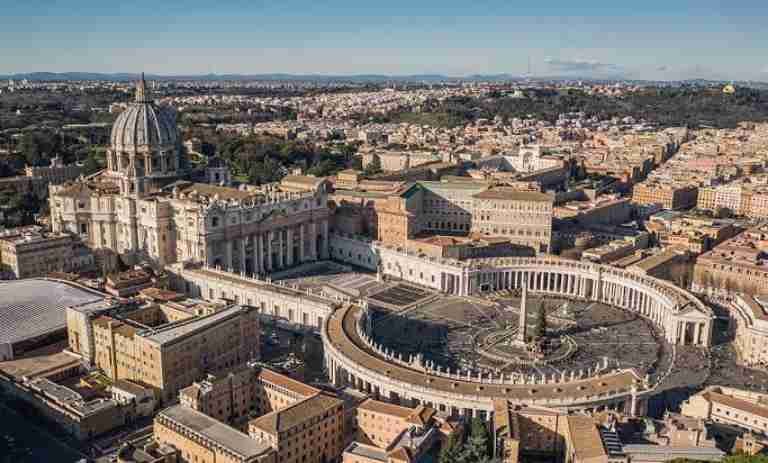
1. Vatican City – Smallest country in the world
- Population: 807 (estimated)
- Area: 0.49 square kilometers
- Currency: Euro
- Region: Southern Europe
- Official and National language: Italian
- Government: Unitary theocratic Catholic elective absolute monarchy
Vatican City, the smallest independent city-state in the world, is the spiritual and administrative centre of the Roman Catholic Church, surrounded by Rome. Covering 44 hectares, it has around 800 residents, with travellers visiting iconic landmarks like St. Peter’s Basilica and the Vatican Museums.
2. Monaco –
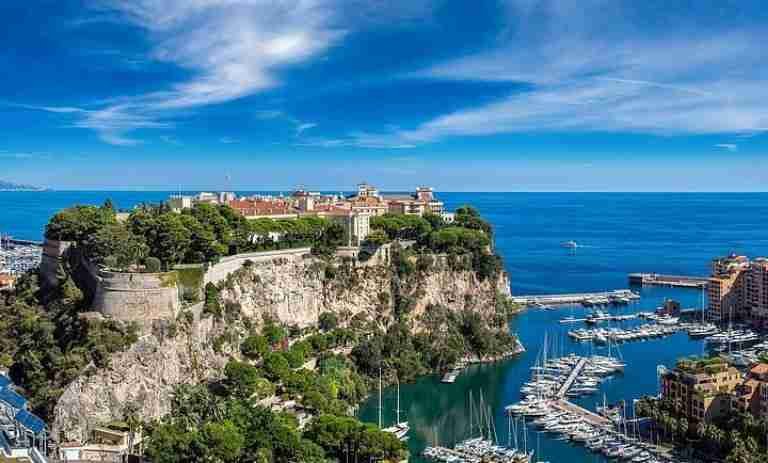
- Capital: Monaco
- Area: 2.02 square kilometers
- Largest Quarter: Monte Carlo
- Region: Southern Europe
- Population: 39,050 (estimated)
- Currency: Euro
- Official Language: French
- Government: Unitary parliamentary semi-constitutional monarchy
Monaco, also known as the Principality of Monaco, is a Western European city-state bordered by France and the Mediterranean Sea. With a population of 39,000, it is the second-smallest country globally, famously known for its casinos, Grand Prix circuit, and Mediterranean views, captivating visitors with its old-world charm.
3. Nauru
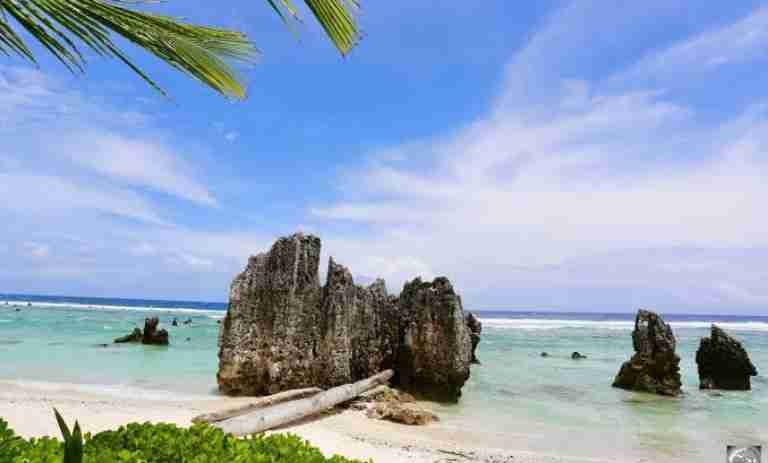
- Capital: Yaren
- Area: 21 square kilometers
- Largest City: Denigomodu
- Region: Oceania, Micronesia
- Currency: Australian Dollar
- Official language: Nauruan
- Government: Unitary parliamentary republic with an executive presidency under a non-partisan democracy
Nauru, the world’s third-smallest country, covers 21 square kilometres and has a population of around 10,000 Nauruan descendants. With no official capital, Yaren serves as the administrative centre. Established over 3,000 years ago, Nauru is known for its tropical landscapes and marine biodiversity, offering travellers a chance to explore its coral reefs and palm-lined beaches.
4. Tuvalu
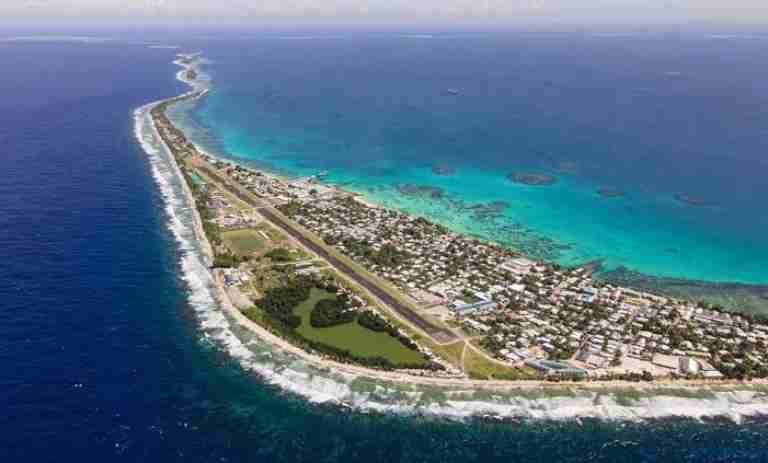
- Capital: Funafuti
- Area: 26 square kilometers
- Largest City: Funafuti
- Region: Oceania, Polynesia
- Currency: Tuvaluan Dollar, Australian Dollar
- Official language: Tuvaluan English
- Government: Unitary non-parliamentary constitutional monarchy
Tuvalu is a small island country in the Pacific Ocean, has around 11,000 inhabitants and covers 26 square kilometres, with Funafuti as its capital. The economy relies on fishing, remittances, and international aid. Known for its tranquil beauty, laid-back lifestyle, and strong sense of community, visitors can enjoy unspoiled beaches and vibrant coral reefs while experiencing Tuvaluan hospitality.
5. San Marino
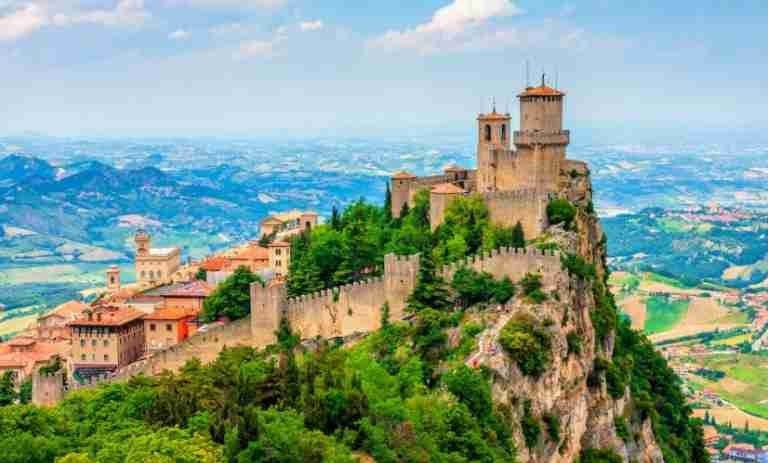
- Capital: San Marino
- Area: 61 square kilometers
- Largest city: Dogana
- Region: southern Europe
- Currency: Euro
- Official language: Italian
- Government: Unitary parliamentary diarchic directorial republic
San Marino, located in northern Italy, is the Most Serene Republic of San Marino, one of the world’s smallest and oldest republics. Covering 61 square kilometres, it has a population of around 33,000 and is known for its mediaeval fortresses, charming cobblestone streets, and rich cultural heritage.
6. Liechtenstein
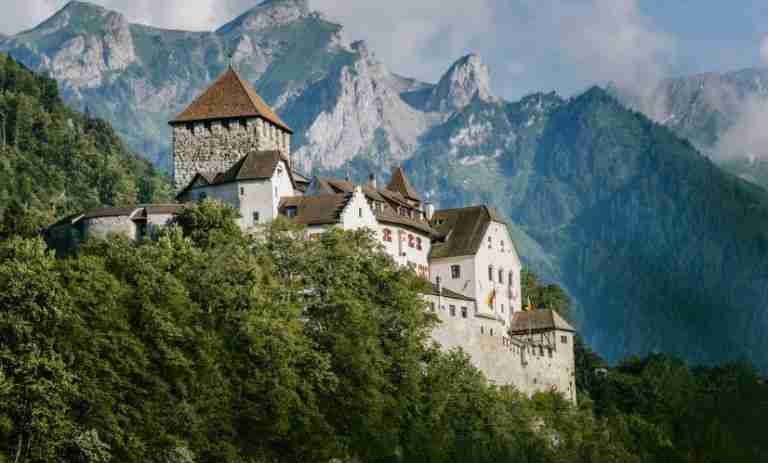
- Capital: Vaduz
- Area: 160 square kilometers
- Region: Western Europe
- Currency: Swiss Franc
- Official language: German
- Government: Unitary parliamentary semi-constitutional monarchy
Liechtenstein also known as the Principality of Liechtenstein is a small, landlocked country in Central Europe, bordered by Switzerland and Austria. With a population of around 39,000, it covers 160 square kilometres and is known for its picturesque Alpine landscapes and charming villages. Despite its small size, Liechtenstein offers numerous outdoor adventures, including hiking, skiing, and exploring mediaeval castles.
7. Marshall Islands
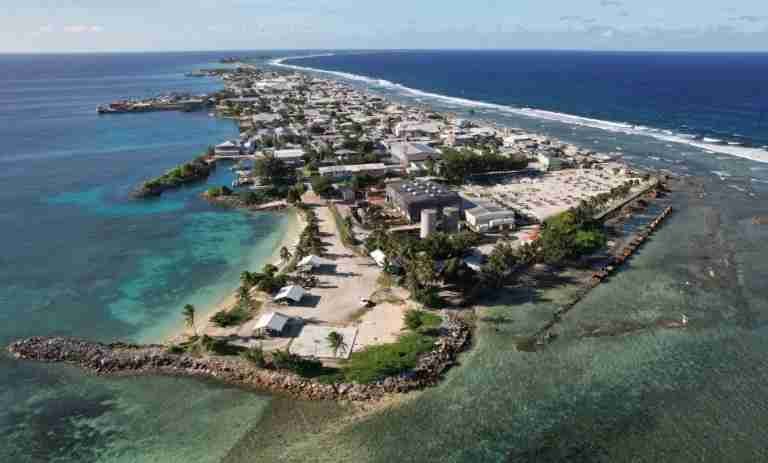
- Capital: Dilap-Uliga-Djarrit
- Area: 181 square kilometers
- Largest city: Dilap-Uliga-Djarrit
- Region: Oceania, Micronesia
- Currency: US Dollar
- Official language: Marshallese English
- Government: Unitary parliamentary republic with an executive presidency
The Republic of the Marshall Islands is an island nation in the central Pacific Ocean, with the capital being Majuro, consisting of 29 atolls and five islands. With a total land area of 181 square kilometres, the nation is rich in culture and history, offering tourists opportunities to experience traditional customs, explore WWII relics, and dive among coral reefs.
8. Saint Kitts & Nevis
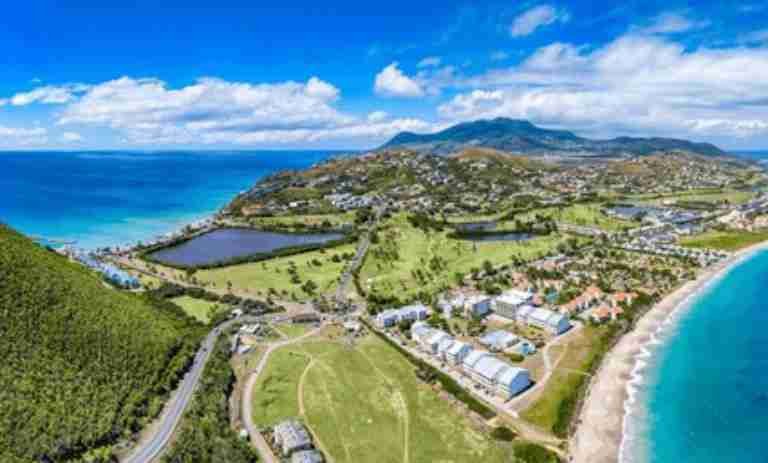
- Capital: Basseterre
- Area: 261 square kilometers
- Largest city: Basseterre
- Region: Caribbean
- Currency: East Caribbean Dollar
- Official language: English
- Government: Federal parliamentary constitutional monarchy
Saint Kitts and Nevis also known as the Federation of Saint Christopher and Nevis is a small sovereign state in the West Indies, covering 261 square kilometres and home to around 53,000 people. The islands are known for their pristine beaches, rainforests, and rich colonial heritage, offering visitors a laid-back Caribbean vibe with charming towns and water sports.
Also Read: Top 10 Poorest Countries in the World in 2026 | GDP per Capita
9. Maldives
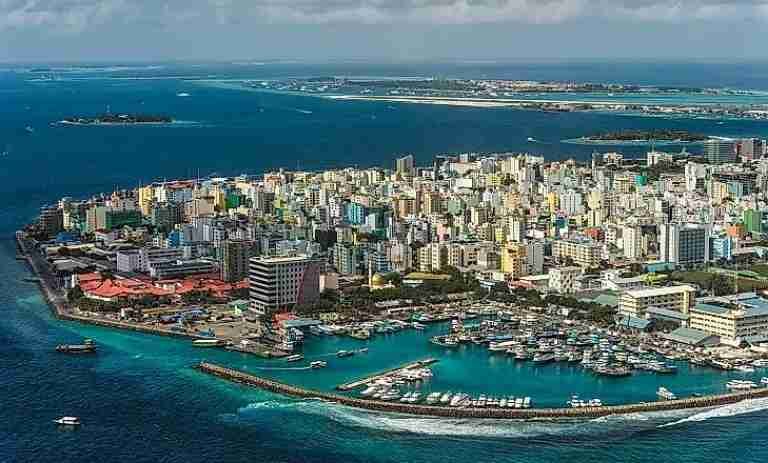
- Capital: Male
- Area: 298 square kilometers
- Largest city: Male
- Region: Western Asia
- Currency: Maldivian rufiyaa, US Dollar
- Official language: Dhivehi
- Government: Unitary presidential constitutional republic
The Republic of the Maldives, with Male as the capital, is a tropical paradise located in the Indian Ocean, southwest of Sri Lanka and India, spread over about 298 square kilometres. The country is known for its stunning beaches, turquoise lagoons, and luxurious overwater bungalows. With over 1,000 coral islands, visitors can enjoy secluded resorts, coral reef diving, and sunset cruises.
10. Malta
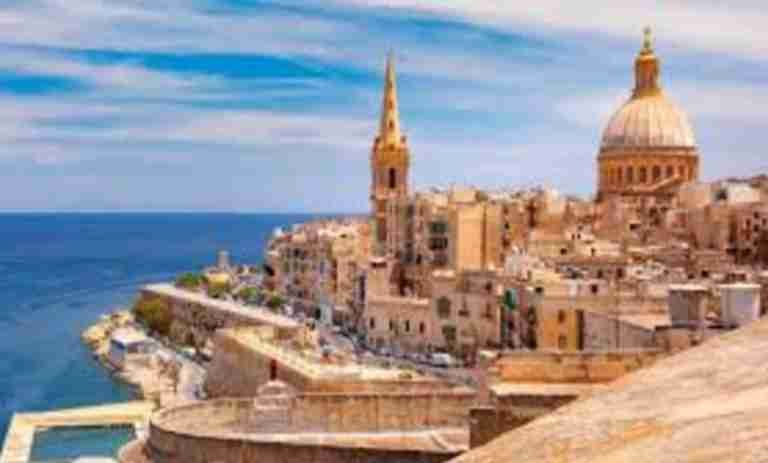
- Capital: Valletta
- Area: 316 square kilometers
- Largest unit: St. Paul’s Bay
- Region: Southern Europe
- Currency: Euro
- Official language: Maltese English
- Government: Unitary parliamentary republic
Malta, a small, historically rich island nation in the Mediterranean Sea, is known for its strategic position and advanced economy. Its capital, Valletta is the smallest in the EU. Malta is heavily dependent on tourism, attracting both travellers and expatriates, and is renowned for its ancient ruins, Baroque architecture, and azure waters. Visitors can explore UNESCO World Heritage sites, swim in coves, and enjoy Maltese cuisine.
Also Read: Top 10 Largest Countries in the World by Area
Top 10 Smallest Countries in the World by Area FAQs
1. What is the smallest country in the world by area?
Vatican City is the smallest country in the world by area, covering just 0.49 square kilometers.