

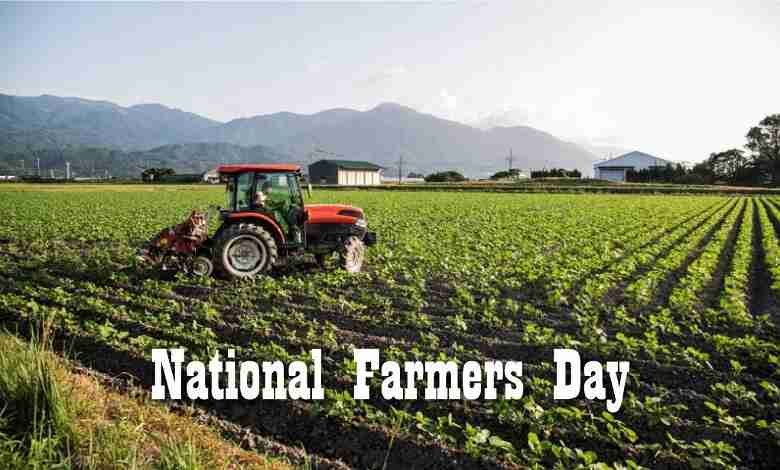
National Farmers Day 2026: India is an agricultural nation at heart. From food security to rural employment, farmers play a central role in shaping the country’s economy and culture. National Farmers Day 2026, also known as Kisan Diwas, is a special occasion that reminds us of the tireless efforts, sacrifices, and resilience of Indian farmers. This day is not only about celebration. It is also about awareness, respect, and responsibility towards those who feed the nation.
Observed every year on Chaudhary Charan Singh’s birth anniversary, Farmers Day highlights the importance of farmer-centric policies and sustainable agriculture. In 2026, the relevance of this day becomes even stronger as India focuses on agrarian reforms, climate-resilient farming, and rural empowerment.
Table of Contents
National Farmers Day 2026 in India
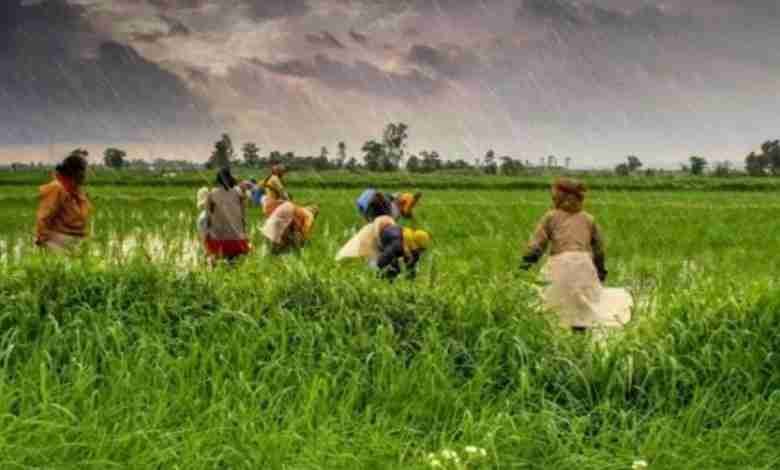
National Farmers Day 2026 in India marks Chaudhary Charan Singh’s birth anniversary, a leader who dedicated his life to the welfare of farmers and rural communities. Farmers Day is celebrated on 23 December to recognise the contribution of farmers to India’s growth.
Agriculture still supports a large portion of the population. It provides food, raw materials, and employment to millions. National Farmers Day 2026 reminds citizens that farmers are not just food producers. They are nation builders.
On this day, various events are organised across the country. These include farmer awareness programs, agricultural exhibitions, seminars, essay competitions, and government initiatives focused on rural development.
In recent years, the government has also used this occasion to launch welfare schemes, discuss MSP reforms, promote organic farming, and encourage young people to take up agriculture as a profession.
Why is Farmers ‘ Day Celebrated in India?
Farmers’ Day is celebrated in India to honour the invaluable contribution of farmers and to remember the vision of Chaudhary Charan Singh. He strongly believed that India’s progress depends on the prosperity of villages and farmers.
Chaudhary Charan Singh’s birth anniversary celebrated as National Farmers Day, also reflects India’s political and social commitment to agrarian justice. Singh opposed policies that ignored rural India. He supported land reforms, fair pricing, and farmer-friendly governance.
This day also encourages dialogue between policymakers and farmers. It pushes institutions to think about long-term agricultural sustainability.
Who Was Chaudhary Charan Singh?

Chaudhary Charan Singh was one of India’s most influential leaders and the fifth Prime Minister of India. He was born on 23 December 1902 in a farming family in Uttar Pradesh. His early life shaped his understanding of rural hardships.
Singh was deeply connected to farmers. Unlike many leaders of his time, he spoke openly about rural distress. He believed that agriculture should be the foundation of India’s economy. Throughout his political career, he remained a strong voice for peasants and small farmers.
He served as the Prime Minister in 1979, though for a short period. Yet, his impact on agricultural policy was long-lasting. He also served as Deputy Prime Minister, Home Minister, and Chief Minister of Uttar Pradesh.
Because of his lifelong dedication, Chaudhary Charan Singh’s birth anniversary is remembered with respect. His ideas still influence debates on land reforms, MSP, and rural development. This is why his birthday is honoured as National Farmers Day in India
Chaudhary Charan Singh’s Contribution to Farmers
Chaudhary Charan Singh made several landmark contributions to Indian agriculture. His policies focused on empowering small and marginal farmers. He believed that real democracy starts in villages. Chaudhary Charan Singh:
- Championed land reforms and strongly opposed the zamindari system.
- Worked towards land redistribution so farmers could own the land they cultivated.
- Helped provide dignity, security, and stability to millions of farmers.
- Supported fair pricing of crops to ensure farmers received reasonable returns.
- Laid the foundation for future discussions on the Minimum Support Price (MSP).
- Promoted rural credit systems to protect farmers from moneylenders.
- Encouraged cooperative farming and access to institutional finance.
Most importantly, he respected farmers as equal partners in nation-building. His vision strengthened agriculture in India. This vision is the core reason why Farmers Day is celebrated on his birth anniversary.
Key Schemes for Farmers in India
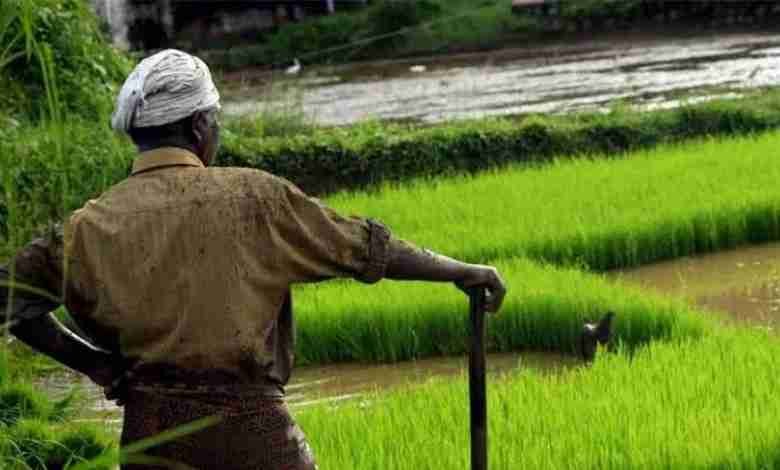
The Government of India has launched several welfare and development schemes to support farmers, strengthen agricultural productivity, and ensure long-term sustainability. Some of the major schemes are:
| Scheme | Launch Year | Key Benefit |
| Pradhan Mantri Kisan Samman Nidhi (PM-KISAN) | 2019 | Provides ₹6,000 per year as direct income support to eligible farmers |
| Pradhan Mantri Fasal Bima Yojana (PMFBY) | 2016 | Offers crop insurance against losses due to natural calamities, pests, and diseases |
| Pradhan Mantri Kisan Maandhan Yojana (PM-KMY) | 2019 | Ensures monthly pension of ₹3,000 to small and marginal farmers after age 60 |
| Kisan Credit Card (KCC) Scheme | 1998 | Enables easy access to affordable credit for agricultural and allied activities |
| Agriculture Infrastructure Fund (AIF) | 2020 | Supports development of post-harvest infrastructure like warehouses and cold storage |
| Namo Drone Didi Scheme | 2023 | Empowers women SHGs by providing drones for agricultural services |
| Soil Health Card Scheme | 2015 | Supplies soil nutrient information to promote balanced fertiliser use |
| Kisan Kavach | 2023 | Protects farmers from pesticide exposure through safety equipment |
| Clean Plant Programme (CPP) | 2023 | Provides disease-free planting material for horticultural crops |
| Digital Agriculture Mission | 2021 | Promotes digital tools and data-driven decision-making in farming |
| National Mission on Natural Farming (NMNF) | 2023 | Promotes chemical-free and sustainable farming practices |
National Farmers Day 2026 Theme
Every year, National Farmers Day is observed with a theme that reflects current agricultural priorities. The National Farmers Day 2026 theme is expected to focus on sustainable farming, farmer income security, and climate-resilient agriculture.
Themes help in directing public discussion. They guide schools, colleges, NGOs, and government bodies in planning events. In 2026, with rising concerns about climate change and food security, the theme highlights the need to support farmers with technology, innovation, and policy reforms.
Significance of Kisan Diwas 2026
The significance of Kisan Diwas 2026 goes beyond celebration. It serves as a reminder of India’s agrarian roots and future challenges. Agriculture is facing pressure from climate change, shrinking land holdings, and rising costs.
Kisan Diwas is significant because it:
- Ensuring Food Security: Farmers are the backbone of India’s food system. Consistent and efficient agricultural production helps maintain adequate food supplies and keeps prices stable for consumers.
- Contribution to the Economy: Agriculture continues to provide employment to a significant share of the population and remains a crucial pillar of the national economy.
- Support for Rural Progress: Kisan Diwas draws attention to the impact of farming on rural life, including improvements in education, healthcare, and infrastructure across villages.
- Encouraging Policy Development: The observance encourages dialogue on crucial agricultural issues such as farm reforms, access to credit, crop insurance, and the adoption of modern technology.
For competitive exams, the day is important from history, polity, and current affairs perspectives. It also connects social justice with economic development. By celebrating this day, India honours not just a leader but millions of farmers who work silently every day.
Published by: Murali Malalur
FOLLOW US: Facebook | Twitter | YouTube Channel | WhatsApp Channel | Instagram